
Toxic-Free Rodent Control
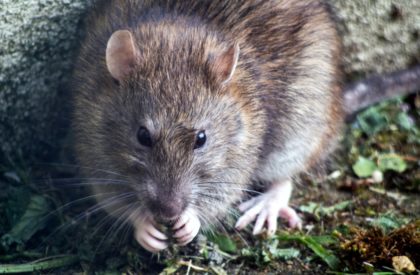

Rodents are mammals of the largest order Rodentia. They are the most diversified and live in terrestrial habitats, including human-made environments because they have access to easy food and shelter. Most rodents are herbivorous, feeding exclusively on plant material such as seeds, stems, leaves, flowers, and roots. Some are omnivorous and a few are predators.
Dangers
Rodents are tenacious and persistent creatures once they establish a particular place as their roost site for breading and in areas where they forage for food. Because of the health risks posed by rodents as a result of viruses found in their excreta, people tend to opt to any method available to them when there is a sudden influx of rats in their residential or business areas even though those solutions may not be long term and eco friendly. We all love to have evergreen beautiful gardens/orchards with birds chirping all day long. Such a beautiful garden does not only attract birds we want but rats as well which also eat seeds and fruits supposed to be for birds. As a result rats end up finding their way into our ceilings where they make noise and leave their harmful excreta. The fact is, we won’t stop feeding birds and tending our beautiful gardens just because they will attract rats as well, can we?
Eviction and Prevention
Bird Feeders: Make sure your bird feeders cannot be accessed by rats and when buying them choose those that are impossible for rats and pigeons to have access to the seeds and fruits in them.
Compost heaps: In most compost heaps and under the tree leaves rats to find it easy to make burrows, nests and end up being breeding sites and disturbances are usually rare and they are also protected from predators.
Ceilings: They are always warm at night as a result of the heat absorbed by the tiles during the day and rats use tree branches, rainwater gutters, telephone cables and etc to climb up the walls and use the gaps under the eaves to gain access into the ceilings. Sealing all gaps that lead into the ceiling using materials that cant be chewed by rats is the most permanent and effective method to block highways rats use so that you may have peaceful nights once again.
Dustbin areas: Make sure all dust bins plastics are neatly tied before placing them inside dustbins and leave the bin properly closed. Also, ensure that refuse/dustbin areas are regularly cleaned.
Gardens: Plants like Ivy and passion flowers give rats some form of protection when running under their dense leaves. Since we cant uproot these plants because we planted them for a reason, then we have to install toxin-free humane rodent traps close to those areas so as to control the rodent population.